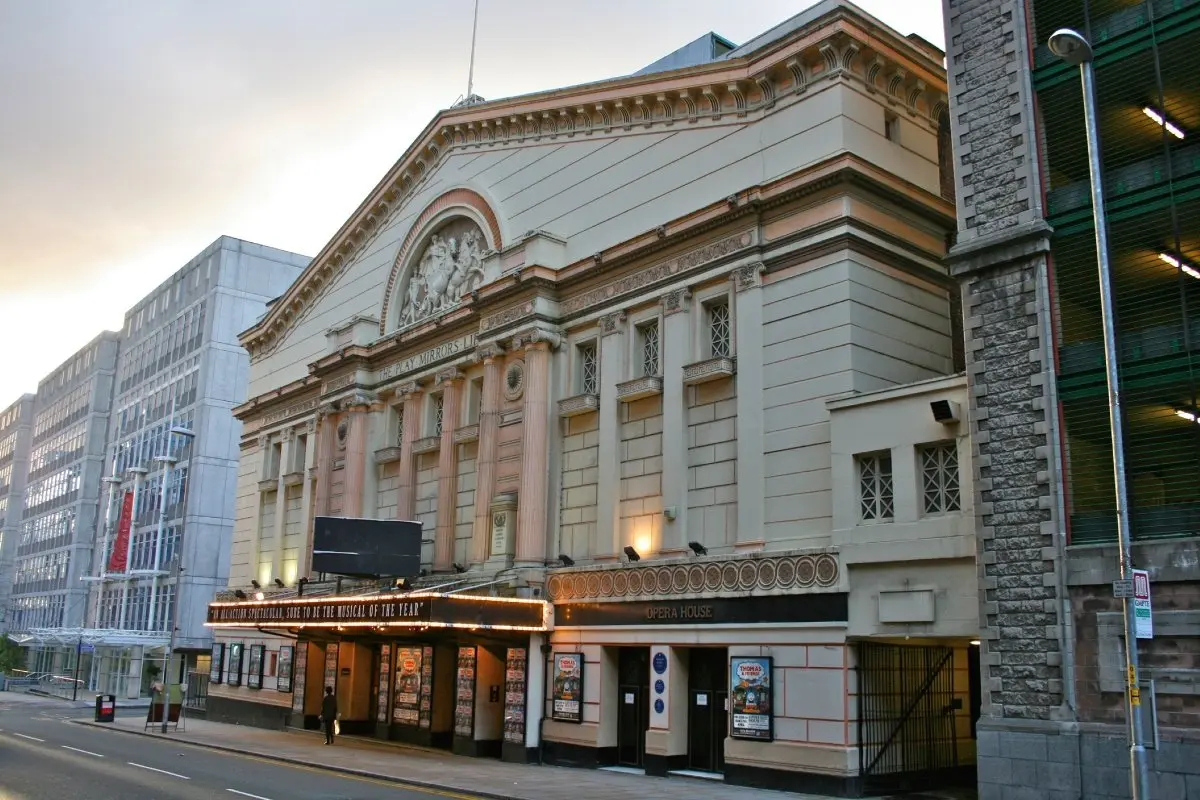
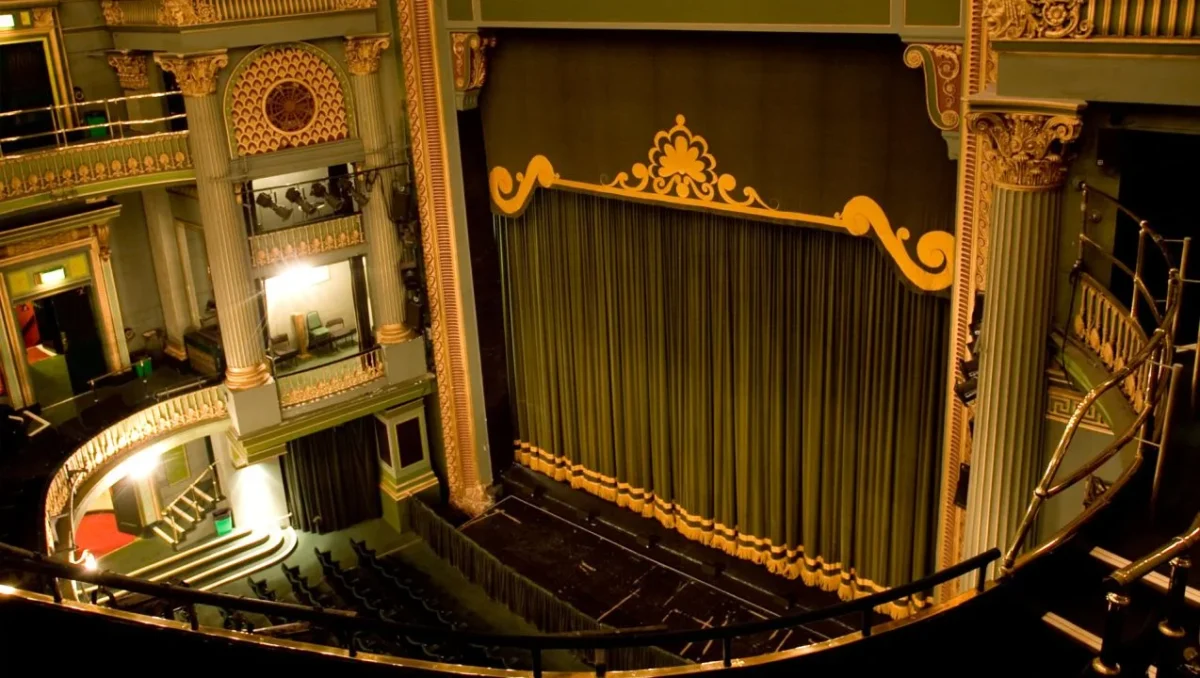
Opera House Manchester is a historic and characterful venue that has been entertaining audiences since opening in 1912. Having evolved through several uses over the years, including a cinema and bingo hall, it returned to its theatrical roots in 1984 and continues to host major productions such as The Phantom of the Opera and other touring shows.
The theatre is committed to providing an inclusive and welcoming environment, although due to its historic design, accessibility is more limited compared to modern venues. Visitors with mobility needs are encouraged to plan ahead to ensure the most suitable experience.
There is limited on-street parking available nearby, including accessible bays on Lower Byrom Street. As there is no dedicated on-site parking, planning your route in advance is recommended.
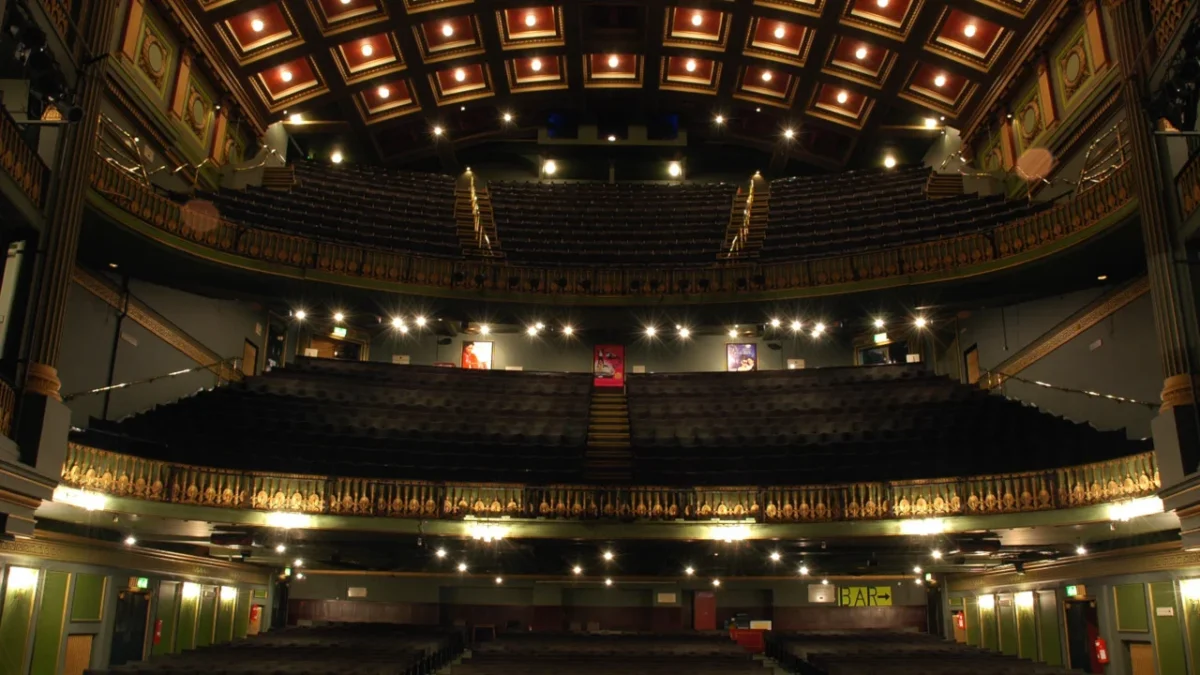
One of the key considerations at this venue is that there is no lift access. From the foyer to the Stalls, there are 28 steps, and access to higher levels such as the Gallery involves a significant number of steps, making these areas unsuitable for visitors with limited mobility. The steep and uneven nature of some stairways also adds to this limitation.
For accessible seating, there are two designated wheelchair spaces with companion seating located in the Circle, which can be accessed from street level. These should be booked in advance due to limited availability. Seating throughout the theatre is traditional, with an average width of around 16–17 inches.
At street level, the Beecham Bar is fully accessible, providing a comfortable space for refreshments before the show or during intervals. Accessible toilet facilities are also located on this level, equipped with emergency pull cords for added support.
Assistance dogs are welcome within the venue, and staff are available to provide support where needed to help ensure a smooth visit.
For visitors with visual impairments, the theatre offers access to audio described performances and occasional touch tours. For guests who are D/deaf or hard of hearing, both Mobile Connect and hearing loop systems are available, allowing audio to be streamed or amplified for improved clarity. Captioned and BSL interpreted performances are also scheduled throughout the year, with recommended seating areas provided to ensure a clear view of interpreters or caption screens.
While Opera House Manchester presents some accessibility challenges due to its historic structure, the availability of street-level facilities, accessible seating options and dedicated support services helps make it a viable and enjoyable venue for many visitors.
Accessibility
-
Accessible pick-up and
drop-off point - Accessible toilets onsite
- Assistance dogs welcome
- Audio description available
- BSL interpretation available
-
Free carer ticket
available -
Nimbus Access Card
Accepted - Step free entrance
-
Step free route
to main areas - Wheelchair accessible routes
-
Wheelchair accessible viewing
points
Amenities
- Café onsite
- Cash payments accepted
- Cashless payments accepted
- Gift shop onsite
- Indoor attraction
- Indoor seating areas
- Information points
- Licensed bar
-
Live shows or
performances - Toilets onsite
Tickets
Services
Ticket Evidence
- Card Labels: Assistance Dogs Allowed, Suitable For All Ages, Wheelchair Friendly, Free Carer Companion Entry

Leave a Reply
You must be logged in to post a comment.