


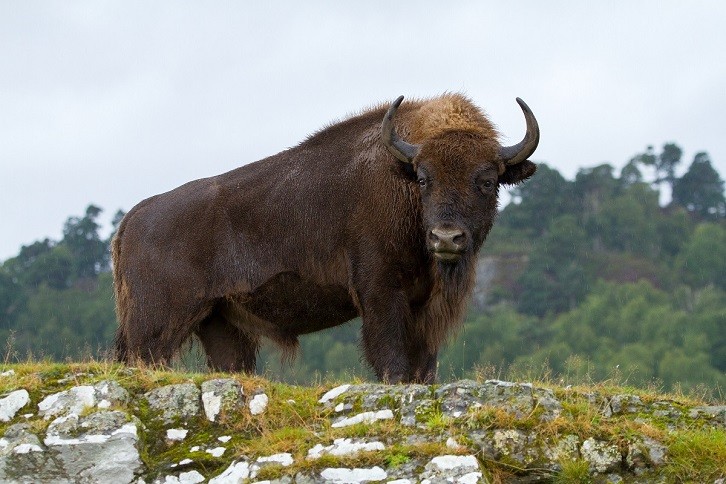

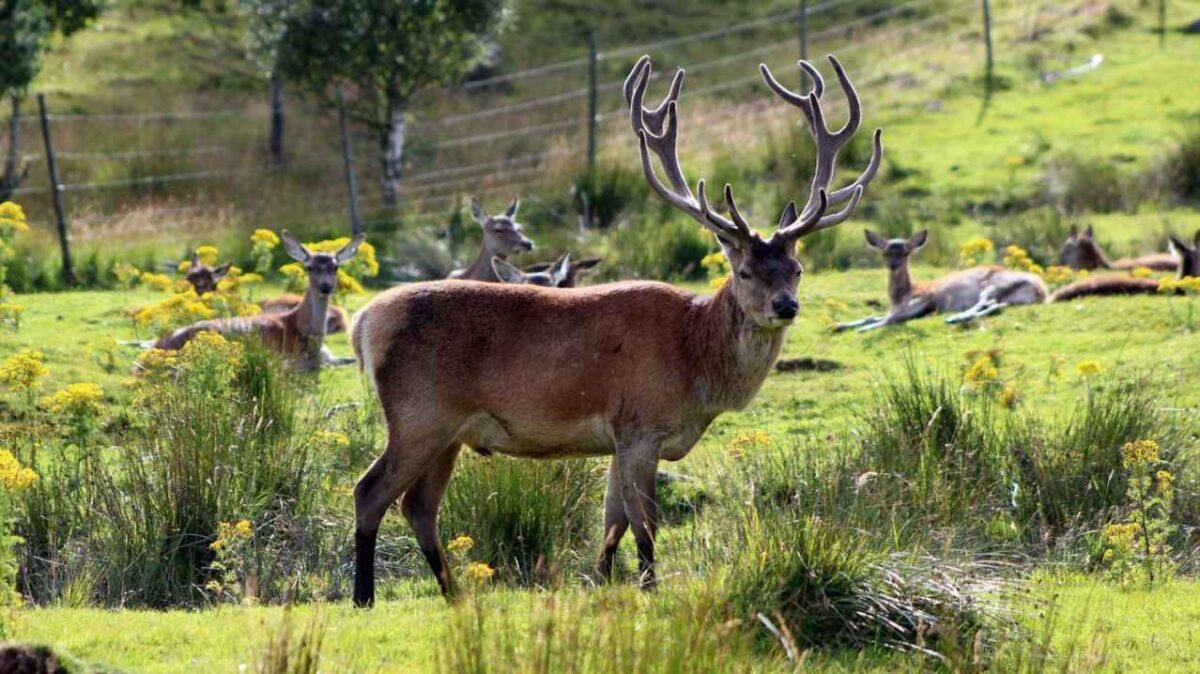

Step into the wild beauty of the Scottish Highlands at Highland Wildlife Park, where visitors can discover an incredible range of animals from across the world. The park is home to some truly special species, including polar bears, Arctic foxes, snow leopards, snowy owls, red pandas, Amur tigers, and the much-loved Scottish wildcats. One of its most talked-about attractions has been the birth of the UK’s only bear cub born in captivity in 25 years, making a visit even more memorable for animal lovers of all ages.
Highland Wildlife Park is well known for its unusual and endangered animals, giving families the chance to experience both global wildlife and native Scottish species in one setting. Visitors can drive around the main reserve before continuing on foot through the rest of the park, creating a flexible experience that can suit different energy levels and accessibility needs. From watching playful wildcats to spotting the park’s rare tigers, Dominika and Marty, there is plenty to enjoy throughout the day. Due to its Highland location, visitors should be prepared for cooler weather and wrap up warmly.
The park is committed to improving access for all and aims to provide equal opportunities for every visitor. It has partnered with Euan’s Guide, the award-winning disabled access charity, and offers both an access guide and sensory map to help visitors plan ahead. Free admission is available for one accompanying carer when the disabled visitor pays the full adult, concession, or child price. Visitors should bring proof of entitlement, such as a National Disability Card, an Access Card with a +1 symbol, a plus one travel card, or a Personal Independence Payment letter, as this may be requested on arrival.
Because of the natural Highland setting, some areas of the park are steep and rugged. While most steps can be avoided using alternative paths, these routes can still be challenging in places due to gradients. An accessible map is available to help visitors identify the most suitable routes before and during their visit.
A limited number of Blue Badge parking spaces are available in the main car park, close to the Visitor Centre. Visitors arriving in larger vehicles may be asked to park elsewhere after dropping passengers off near the entrance. Accessible toilets are located near the Visitor Centre and beside the Blue Badge parking area, with extra temporary accessible toilets sometimes added during holiday periods.
Highland Wildlife Park also offers a limited number of manual wheelchairs for free hire from the Visitor Centre shop on a first come, first served basis. These are disinfected after each use. Mobility scooters are also available to hire, again subject to availability, with a refundable £25 deposit required.
Only registered assistance dogs are allowed in the park, and visitors should inform the admissions team on arrival if bringing one. Access may be restricted in certain areas. Assistance dogs in training are not permitted. All assistance dogs must be up to date with vaccinations, kept on a lead at all times, and under strict control throughout the visit. Emotional support animals are generally not recommended or permitted, except where they meet the park’s established requirements for trained and accredited assistance dogs.
Highland Wildlife Park offers a memorable day out for families, animal lovers, and visitors looking to enjoy a unique wildlife experience in the Highlands. With thoughtful accessibility support, mobility aid hire, and accessible visitor information available, it is a destination that many disabled visitors and families can enjoy with some forward planning.
Accessibility
- Accessible toilets onsite
- Assistance dogs welcome
- BSL interpretation available
-
Free carer ticket
available - Mobility scooter hire
- Manual wheelchair hire
-
Onsite accessible café
or dining -
Rest areas available
along route - Step free entrance
-
Step free route
to main areas - Wheelchair accessible routes
-
Wheelchair accessible viewing
points - DLA/PIP evidence accepted
-
Nimbus Access Card
Accepted
Amenities
- Animal encounters
- Annual passes available
- Café onsite
- Cash payments accepted
- Cashless payments accepted
- Gift shop onsite
-
Group booking discount
available - Information points
- Membership available
- Onsite parking (free)
- Outdoor attraction
- Outdoor seating areas
- Picnic areas
- Play area
-
Rest areas /
benches - Student discount available
- Toilets onsite
Tickets
Services
Ticket Evidence
Opening hours
- Card Labels: Assistance Dogs Allowed, Suitable For All Ages, Wheelchair Friendly, Free Carer Companion Entry

Leave a Reply
You must be logged in to post a comment.