

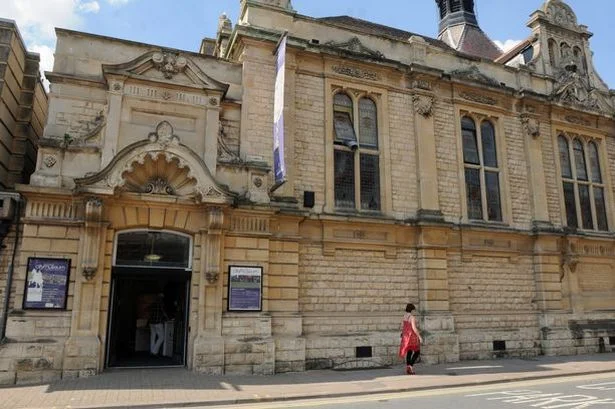
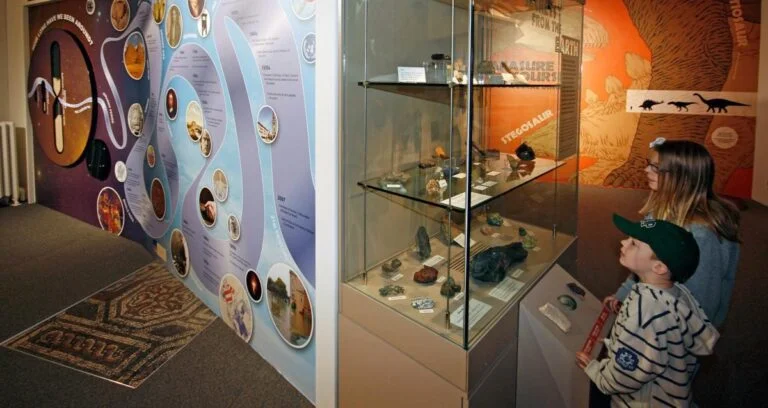
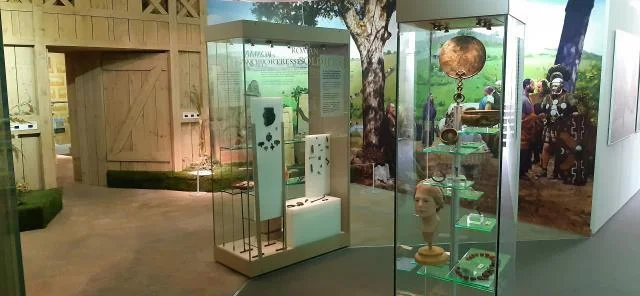
The Museum of Gloucester is a fascinating local history museum set within a Georgian building beside Gloucester Cathedral. It offers a rich journey through time, from prehistoric Britain to the modern day, with highlights including the famous Gloucester Candlestick and exhibits inspired by Beatrix Potter. Alongside its historical displays, the museum provides a wide range of accessible features to ensure an inclusive and enjoyable visit.
Access into the museum is step-free, with a gentle sloped entrance from the pavement leading to wide automatic double doors. Inside, the ground floor is fully accessible, including the reception desk, exhibition spaces, shop, café, and toilets. The reception area features both a lowered desk section for accessibility and a standard-height counter, with staff available to assist where needed.
Movement between floors is supported by a platform lift, which provides access to the first floor. The lift has wide doors and clear indicators, although it is designed for smaller groups at a time. For those able to use stairs, there is a staircase to the first floor with a landing partway up. The first floor includes additional gallery spaces, though visitors should be aware that the polished wooden flooring may be slightly slippery in places.
Wheelchair users can navigate much of the museum comfortably, with wide doorways and open layouts across most areas. There is also nearby access to additional mobility support through Shopmobility services located a short distance away, and a charging point is available on-site for mobility equipment.
Accessible toilet facilities are located on the ground floor and include a unisex disabled toilet, baby changing facilities, and a Changing Places toilet. These are available without the need for a radar key. The café and shop are also accessible, with level flooring and flexible seating arrangements, and staff can provide assistance with table service if required.
For visitors who are D/deaf or hard of hearing, hearing loops are installed at both the ground floor reception desk and the first floor gallery desk. However, some exhibits include constant background audio or push-button sound features, which may create a busy sound environment in certain areas.
Visitors with visual impairments should be aware that lighting on the ground floor can be uneven due to spotlighting, and there are glass display cabinets throughout. Touch-and-feel objects are available on request, offering a more interactive experience where needed.
The museum is also mindful of sensory needs, with staff trained in disability awareness and a sensory map available to highlight areas with sound effects or varying lighting conditions. Fire alarms use both sound and visual alerts to ensure safety for all visitors.
Free carer tickets are available for paid exhibitions and events, helping to make visits more accessible and inclusive.
Overall, the Museum of Gloucester combines historical richness with thoughtful accessibility features, offering a welcoming and engaging experience for visitors of all abilities.
Accessibility
-
Accessible pick-up and
drop-off point - Accessible toilets onsite
- Assistance dogs welcome
-
Free carer ticket
available - Hearing loop available
-
Information in accessible
formats - Lift access available
-
Onsite accessible café
or dining -
Rest areas available
along route - Step free entrance
-
Step free route
to main areas -
Toilets with grab
rails - Wheelchair accessible routes
-
Wheelchair accessible viewing
points
Amenities
- Café onsite
- Cash payments accepted
- Cashless payments accepted
- Gift shop onsite
- Indoor attraction
- Indoor seating areas
- Information points
-
Rest areas /
benches - Toilets onsite
- Card Labels: Assistance Dogs Allowed, Suitable For All Ages, Wheelchair Friendly, Free Carer Companion Entry

Leave a Reply
You must be logged in to post a comment.