

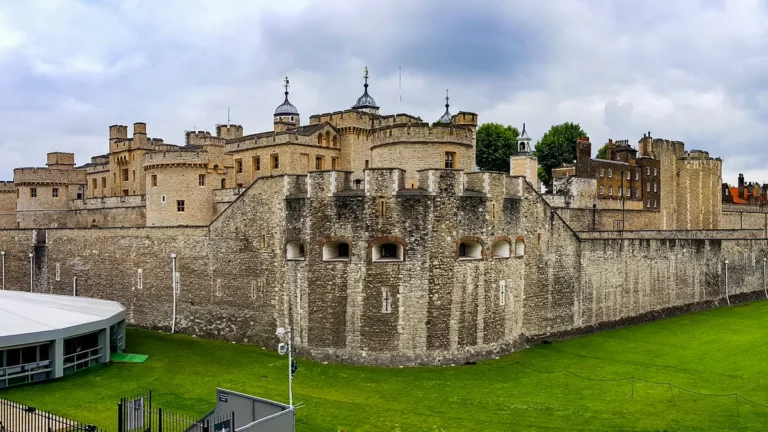


The Tower of London is one of the United Kingdom’s most famous historic landmarks, standing on the banks of the River Thames for more than 1,000 years. Originally founded by William the Conqueror, the fortress has served many roles throughout history, including a royal palace, prison, armoury and treasury. Today visitors can explore its imposing stone towers, walk through medieval courtyards and discover the dramatic stories of kings, queens and prisoners who once lived within its walls. Highlights include the spectacular Crown Jewels display, the historic White Tower and the legendary ravens that have long been associated with the Tower’s traditions.
Accessibility across the Tower of London is partly supported, though visitors should be aware that the historic nature of the site means some areas include narrow passages, low doorways and steep staircases. The attraction does not have its own car park, but the nearest facility is Tower Hill Car and Coach Park approximately 300 metres away, which includes 13 disabled parking spaces. There is level access from this car park to the main entrance. Many outdoor areas of the fortress are accessible, and ramps are provided in several locations including the New Armouries Café and near the Raven Shop. The White Tower includes a lift that provides access to and from the basement level, although only one wheelchair user can access the basement at a time due to space limitations.
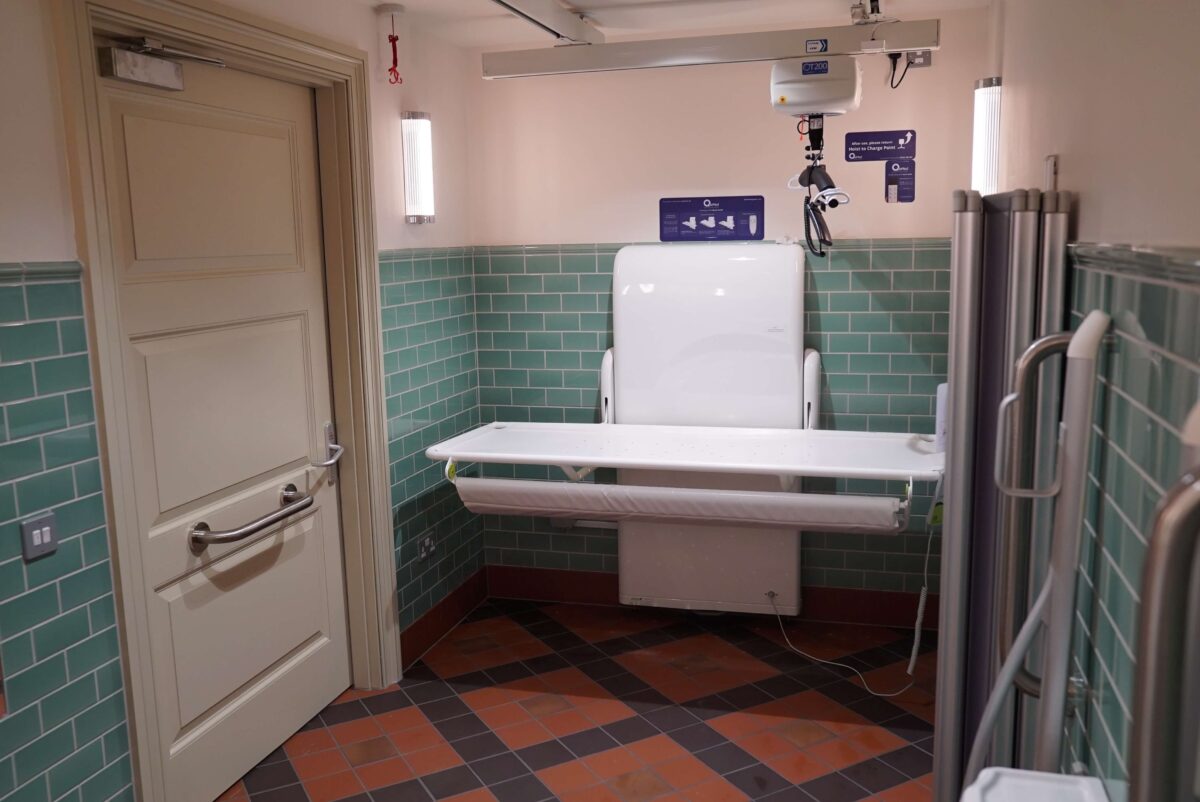
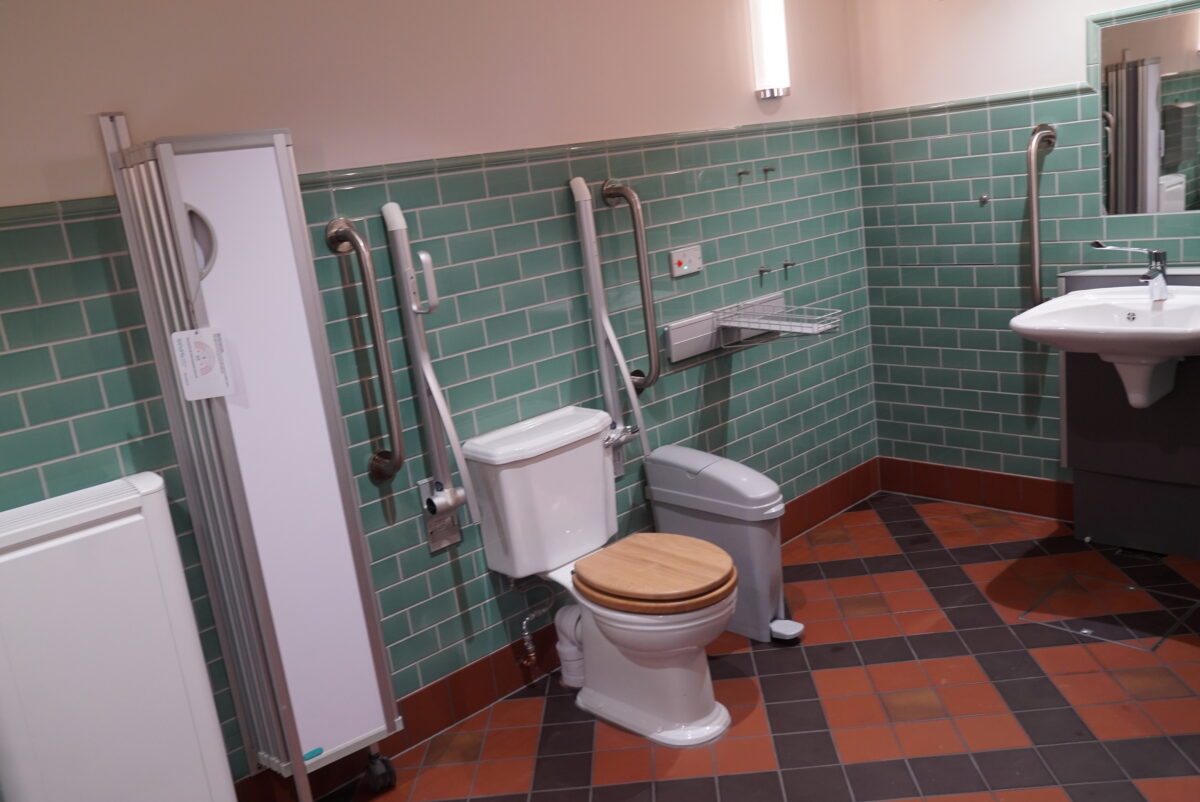
Accessible facilities are available throughout the site. There are three accessible toilets, located at Brick Tower behind the Jewel House, Cradle Tower and the New Armouries Building. The New Armouries Building also features a fully equipped Changing Places toilet with a height adjustable bench, ceiling track hoist, peninsular toilet, adjustable washbasin, emergency alarm and privacy screen. Induction loops are installed at the ticket box and welcome centre, and visitors can access a range of inclusive tours including British Sign Language digital self guided tours, guided BSL tours and descriptive sessions. An autism guide is available, and visitors with hidden disabilities can collect a wristband at the ticket office or entrance to discreetly indicate they may require additional assistance.
Trained assistance dogs are welcome throughout the attraction and water can be provided on request. Free carer entry is available when accompanying a paying disabled guest, with supporting documentation such as PIP, DLA, disability ID cards or a doctor’s letter accepted as proof.
With its extraordinary royal history, world famous Crown Jewels and inclusive visitor support, the Tower of London offers a fascinating and largely mobility friendly heritage experience in the heart of the capital.
Accessibility
- Accessible toilets onsite
- Assistance dogs welcome
- Audio description available
- BSL interpretation available
-
Changing Places toilet
onsite -
Discount disabled ticket
available - Guide support available
- Radar Key Toilets
- Lift access available
- Manual wheelchair hire
- Step free entrance
-
Step free route
to main areas -
Toilets with grab
rails - Wheelchair accessible routes
-
Wheelchair accessible viewing
points - DLA/PIP evidence accepted
-
Nimbus Access Card
Accepted -
Dietry requirments catered
for
Amenities
- Annual passes available
- Café onsite
- Cashless payments accepted
- Gift shop onsite
-
Group booking discount
available - High chairs available
- Indoor attraction
- Indoor seating areas
- Information points
- Interactive exhibits
- Membership available
- Outdoor attraction
- Outdoor seating areas
-
Rest areas /
benches - Student discount available
- Toilets onsite
- Tours available (guided)
Tickets
Services
Ticket Evidence
Opening hours
- Card Labels: Assistance Dogs Allowed, Suitable For All Ages, Suitable For Limited Mobility, Free Carer Companion Entry, Discounted Disabled Guest Entry

Leave a Reply
You must be logged in to post a comment.